
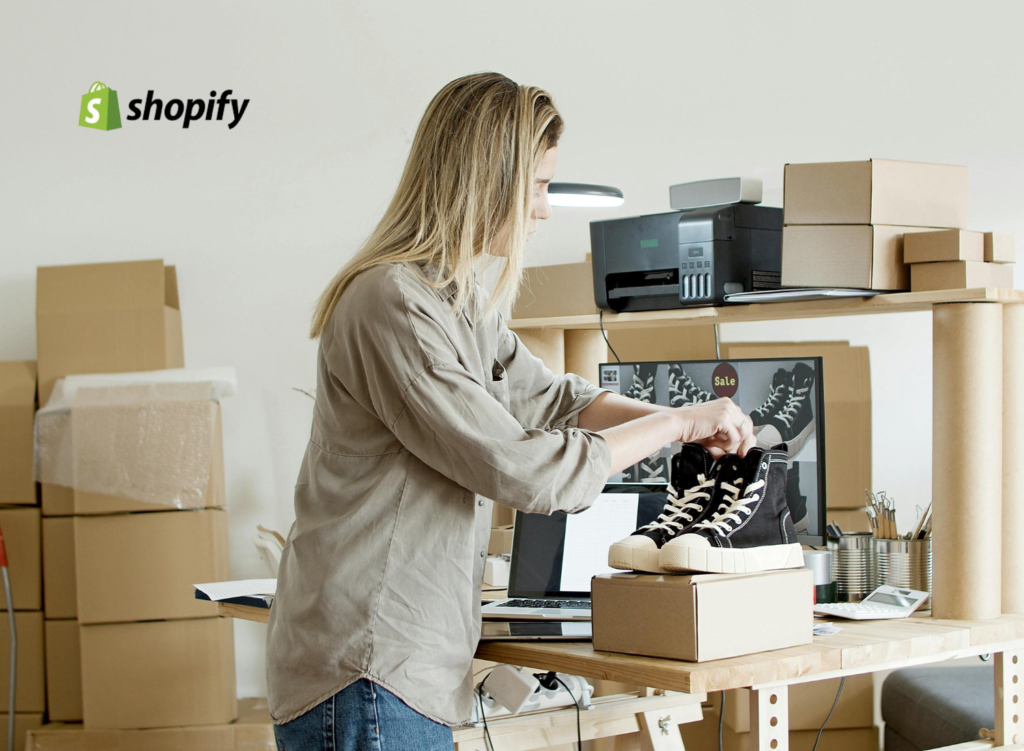
Most “top 10 best Shopify stores” lists repeat the same five brand names with no real detail. This one is different — every store below includes actual revenue figures, the specific tactic that drove their growth, and what you can realistically copy regardless of your budget. We’ve also added something most lists skip entirely: where to actually buy or sell a Shopify store if that’s why you’re here.
The top Shopify stores by revenue in 2026 include Gymshark ($500M+), Fashion Nova ($500M+), SKIMS ($275M, $3.2B valuation), Allbirds ($270M), and Kylie Cosmetics ($1.2B brand value). They succeed through mobile-first design, influencer-driven launches, and frictionless checkout — not just attractive themes.
What Actually Makes a Shopify Store Successful?
Before naming names, it’s worth being honest about something most “top 10 best Shopify stores” lists skip: a good theme is not why these brands generate hundreds of millions in revenue. Shopify powers more than 4.8 million stores worldwide, and the overwhelming majority make modest revenue or none at all. The stores on this list separated themselves through decisions that have nothing to do with which Shopify theme they bought.
The pattern across every brand below is the same: a specific, ownable identity; a mobile-first build, since over 80% of ecommerce traffic in 2026 is mobile; a checkout with as little friction as possible; and a marketing engine — usually influencer or community-led — that brought the first wave of customers before any SEO or paid ads kicked in.
Top 10 Best Shopify Stores (With Real Numbers)
This list spans fashion, beauty, food, and home — deliberately, so you can find a brand in or near your own category. Revenue figures are the most recently reported public estimates as of mid-2026.
Gymshark
Fitness Apparel
Gymshark started in a UK garage, printing and shipping gym wear by hand. The brand’s defining moment came on Black Friday 2015, when its previous Magento store crashed for hours, costing an estimated $100,000–$143,000 in lost sales in a single day. It rebuilt on Shopify Plus and never looked back.
Founded 2012 · 14M+ monthly visits
What to learn: Build the community first, and let the product be the vehicle for it — not the other way around.
Allbirds
Sustainable Footwear
Allbirds reached a $1.4 billion valuation within two years of launch by building its entire brand identity around one material story: shoes made from natural wool and eucalyptus fiber instead of synthetic plastics.
Peak valuation $1.4B · Online + Retail
What to learn: Pick one differentiator and make it impossible to miss on every single product page, not just the homepage.
SKIMS
Shapewear & Loungewear
Kim Kardashian’s shapewear brand was architected for scale and hype from day one. Every product drop is treated as an event — limited inventory, countdown pages, and a waitlist system built directly into Shopify Plus to manage demand spikes.
Valuation $3.2B · Drop-led model
What to learn: Controlled scarcity, done honestly, builds more urgency than any discount code.
Kylie Cosmetics
Beauty & Cosmetics
In 2016, Kylie Cosmetics attracted over 200,000 simultaneous visitors during a single product launch — and Shopify Plus handled it without going down. That single moment became one of the most cited stress-test stories in Shopify’s enterprise marketing.
Founded 2015 · Influencer DTC
What to learn: Specific, numbered social proof statements outperform generic praise on product pages.
Fashion Nova
Fast Fashion
Fashion Nova became one of the most-searched fashion brands globally — alongside names like Gucci and Chanel — almost entirely through Instagram and influencer seeding, including early endorsements from Cardi B and Blac Chyna.
100M+ orders · Weekly drops
What to learn: A relentless drop cadence beats a polished but infrequent collection schedule for trend-driven categories.
Bombas
Socks & Apparel
Bombas built its entire brand around a one-for-one giving model: one pair donated to a homeless shelter for every pair purchased. The homepage leads with this number — over 50 million items donated — before any product imagery.
Buy-one-give-one · Shopify Plus
What to learn: A clear mission, stated as a hard number rather than a vague tagline, builds trust faster than design alone.
Steve Madden
Footwear & Fashion
Founded in 1990 as a retail-first company, Steve Madden’s Shopify store proves that legacy brands can compete with DTC-native ones. The homepage layout reads almost like an online fashion magazine, with vintage-style product photography and an embedded Instagram feed.
Legacy → DTC
What to learn: A retail-first legacy brand can modernize successfully on Shopify without abandoning its established visual identity.
ColourPop
Beauty & Cosmetics
ColourPop built a loyal following through aggressive new-shade launches and heavy use of behavior-based email and SMS automation, which one case study credits with driving over a third of total annual sales.
Affordable beauty
What to learn: Automated, behavior-triggered email flows can outperform paid acquisition for repeat revenue — and cost far less.
Pura Vida Bracelets
Accessories
Pura Vida combined a “buy one, give back” charitable model with a subscription box program, turning one-time buyers into recurring subscribers through emotional loyalty rather than discounting.
Jewelry / accessories
What to learn: A mission-driven subscription model builds recurring revenue and emotional loyalty simultaneously.
Hiut Denim
Denim & Manufacturing
This small Welsh denim brand built its entire store around manufacturing transparency — video tours of its Cardigan factory, profiles of the individual makers, and a “do one thing well” philosophy stated directly on the homepage.
Niche / premium denim
What to learn: Small, niche brands can compete on trust and craftsmanship storytelling rather than scale.
What These Stores Have in Common
Read across all 10 of these top 10 best Shopify stores and four patterns repeat regardless of category:
- A specific value proposition, not a generic one. Every brand above can be described in one sentence that no competitor could also claim — Allbirds’ material story, Bombas’ giving model, Hiut’s single-product focus.
- Mobile-first, not mobile-friendly. These stores are designed for thumb navigation first and desktop second, because that’s where the majority of their traffic actually shops.
- Frictionless checkout. One-page checkouts, Shop Pay, and Apple Pay appear across nearly every brand on this list — checkout speed is treated as a conversion lever, not an afterthought.
- A lean, intentional app stack. None of these stores run 30+ apps. Most run a focused set of 6–15 tools covering email/SMS, reviews, and inventory.
What Makes a Shopify Store High-Converting?
For context, the average Shopify store converts only 1.4% to 1.8% of visitors. Stores above 3.2% sit in the top 20%, and 4.7%+ places in the top 10%. The brands above all sit well above that median, and the reasons are consistent and measurable:
| Conversion Lever | Why It Works | Example |
|---|---|---|
| Accelerated checkout | Increases conversion up to 50%; checkout up to 4x faster | Most brands above |
| Mobile-first pages | 80%+ of ecommerce traffic is mobile | Allbirds, Fashion Nova |
| Behavior-triggered email | Drove 37% of total sales in one studied case | ColourPop, Gymshark |
| Numbered social proof | Specific stats outperform vague praise | Kylie Cosmetics |
Core Web Vitals matter more than most store owners realize. Shopify stores in 2026 are expected to meet LCP under 2.5 seconds, CLS under 0.1, and INP under 200ms — slower stores lose conversions before a visitor even sees the product.
How to Use These Stores as Inspiration for Your Own
Studying successful stores without understanding why they work is like copying someone’s workout without knowing the reasoning behind it. Use this three-step approach instead of copying layouts directly:
- Find your category match first. A clothing brand should study Gymshark’s navigation and Fashion Nova’s checkout flow before looking at a cookware brand. Borrow structural decisions, not aesthetics.
- Identify the one thing they do that you don’t. Pick a single tactic and implement that one thing well rather than trying to copy an entire homepage.
- Adapt it to your niche, don’t replicate it. Translate the underlying principle into whatever matters most for your own customer.
For a deeper technical breakdown of design and UX patterns across leading ecommerce sites, see our related guide on the best Shopify ecommerce websites you should study.
Best Places to Buy or Sell a Shopify Store in 2026
If you landed here looking to acquire an established Shopify business rather than build one from scratch — or you’re planning to exit a store you’ve grown — this is a completely different process from store design. Here’s what you need to know.
Shopify’s own official marketplace, Exchange, permanently shut down on November 1, 2022. If you see old articles referencing it as an active platform, that information is outdated.
Best Marketplaces to Buy or Sell a Shopify Store
Flippa
Most Accessible
Flippa is the largest and most active self-service marketplace for buying and selling Shopify stores, supporting both auction-style and fixed-price listings. Listing quality varies — thorough due diligence on traffic and revenue claims is essential.
From $29, 3–10% success fee
Empire Flippers
Best for Established Stores
Empire Flippers operates as a curated, vetted marketplace with a multi-stage review process — only stores that pass financial verification get listed.
100,000+ verified buyers
Acquire.com
Curated
Acquire.com connects buyers with pre-vetted online businesses, including profitable Shopify stores, with built-in metrics tracking.
Quiet Light
Brokered
Quiet Light operates as a full-service brokerage rather than a self-listing platform — ideal for hands-on guidance through valuation and negotiation.
How Shopify Stores Are Valued
Most Shopify stores trade on a multiple of Seller’s Discretionary Earnings (SDE) — annual net profit with owner compensation added back. Typical multiples range from 2x to 4x annual SDE. The majority of small to mid-sized stores sell in the $5,000 to $500,000 range.
| Store Size (SDE) | Typical Multiple | Best Platform |
|---|---|---|
| Under $20,000 | 1.5x – 2.5x | Flippa |
| $20,000 – $100,000 | 2x – 3x | Flippa, Acquire.com |
| $100,000 – $1M+ | 2.5x – 4x | Empire Flippers |
Always verify traffic sources, revenue consistency, and the actual reason for sale. Request access to analytics directly rather than relying on screenshots, and use escrow services to protect funds during transfer.
Looking at these top-performing Shopify stores, a pattern shows up beyond just clean design — the strongest ones aren’t relying on paid ads alone to keep growing. As D2C brands scale past a few million in revenue, ad costs start working against them, which is exactly why the most successful stores invest early in retention, SEO, and owned channels like email. For a deeper look at this shift, see our breakdown of how leading D2C fashion brands reduce their paid ad dependency as they scale to $10M+ in annual revenue.
Frequently Asked Questions
What are the most successful Shopify stores in 2026?
The most successful Shopify stores by revenue include Gymshark (over $500 million annually), Fashion Nova (over $500 million in sales), SKIMS ($275 million revenue, $3.2 billion valuation), Allbirds ($270 million), and Kylie Cosmetics ($1.2 billion brand value).
What makes a Shopify store high-converting?
High-converting Shopify stores share specific traits: fast page load speed, mobile-first design, a simple one or two-page checkout, clear product photography, social proof through reviews, and a focused app stack rather than dozens of conflicting tools.
Where can I find Shopify store inspiration for my own brand?
Study stores within your niche category rather than copying the biggest names directly. A clothing brand should study Gymshark or Fashion Nova’s navigation and checkout flow; a beauty brand should study ColourPop or Kylie Cosmetics’ product page layout.
What are the best places to buy a Shopify store in 2026?
Since Shopify’s own Exchange marketplace closed in November 2022, the best places to buy a Shopify store in 2026 are Flippa for budget to mid-range stores, Empire Flippers for vetted, profitable stores from $50,000 and up, and Acquire.com for curated listings.
What are the best places to sell a Shopify store?
Flippa is the most accessible option with the largest buyer pool for stores under $100,000. For established, profitable stores above $100,000, brokers like Empire Flippers or Quiet Light typically secure better valuations.
How is a Shopify store valued when buying or selling?
Most Shopify stores are valued using a multiple of Seller’s Discretionary Earnings (SDE) or annual net profit. Typical multiples range from 2x to 4x annual SDE depending on traffic quality, revenue consistency, and growth trajectory.
Is Shopify Exchange still active in 2026?
No. Shopify Exchange Marketplace permanently shut down on November 1, 2022. Former users now rely on Flippa, Empire Flippers, Acquire.com, and private brokers.
Can I build a Shopify store like the top brands without a big budget?
Yes. The underlying principles — clear brand identity, mobile-first design, fast load times, and simple checkout — are achievable on Shopify’s standard plans with free or low-cost themes. Most brands on this list started small before scaling to Shopify Plus.
The Bottom Line
The brands on this list of top 10 best Shopify stores didn’t get there through a premium theme or a bigger app budget. Gymshark built a community before it built a catalog. Allbirds picked one differentiator and repeated it on every page. SKIMS turned scarcity into a marketing channel. The common thread is a specific, defensible decision — made early and repeated consistently.
Whether you’re designing a new Shopify store, studying these examples for inspiration, or evaluating whether to buy or sell an existing one, the fundamentals are the same: clarity beats decoration, and speed beats clutter.
Need Help Designing or Optimizing Your Shopify Store?
Fennel Infotech builds and optimizes Shopify stores for D2C brands. From theme development to conversion-focused app integrations — we handle the build so you can focus on growth.